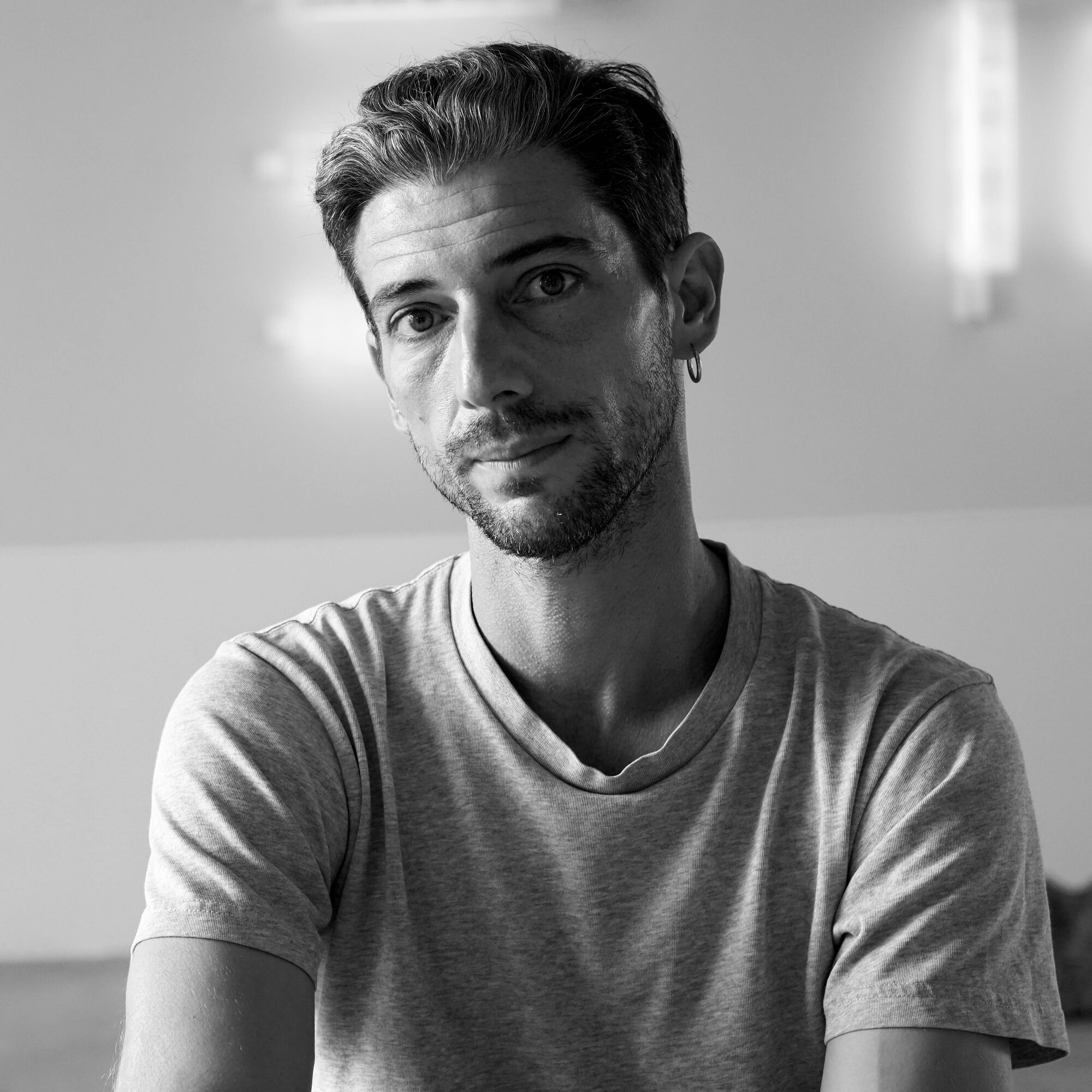
Thomas Egoumenides
Discipline
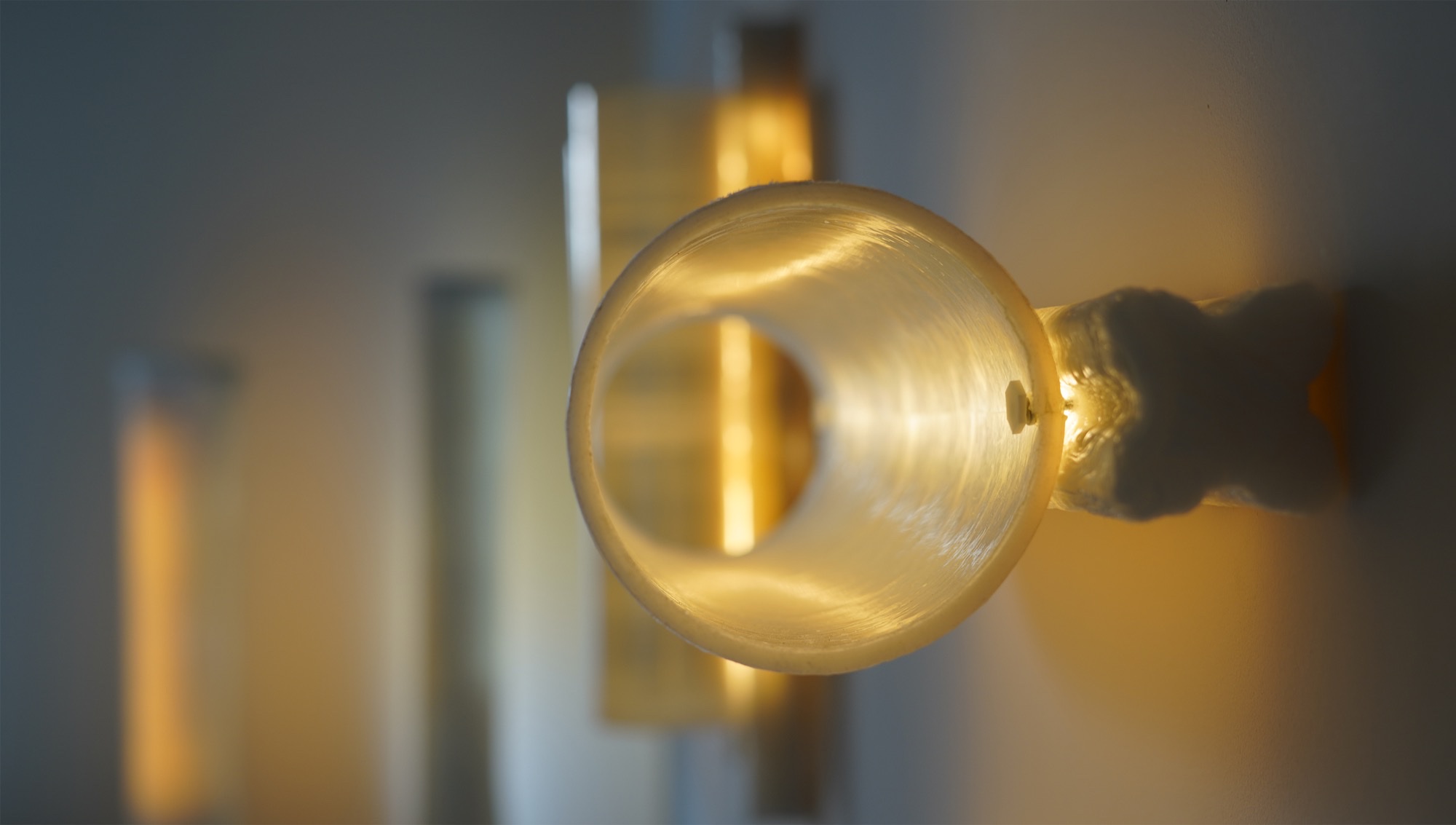
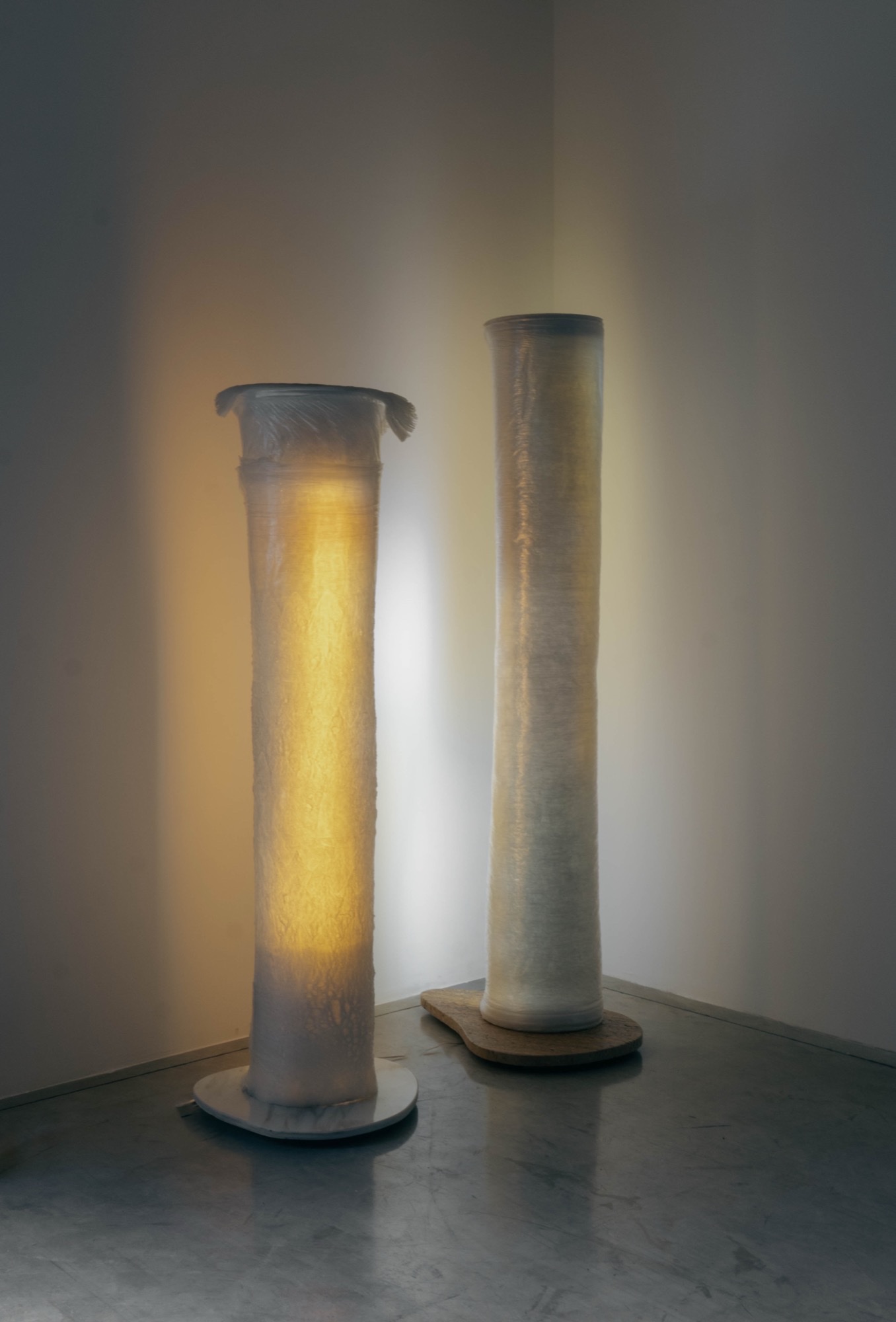
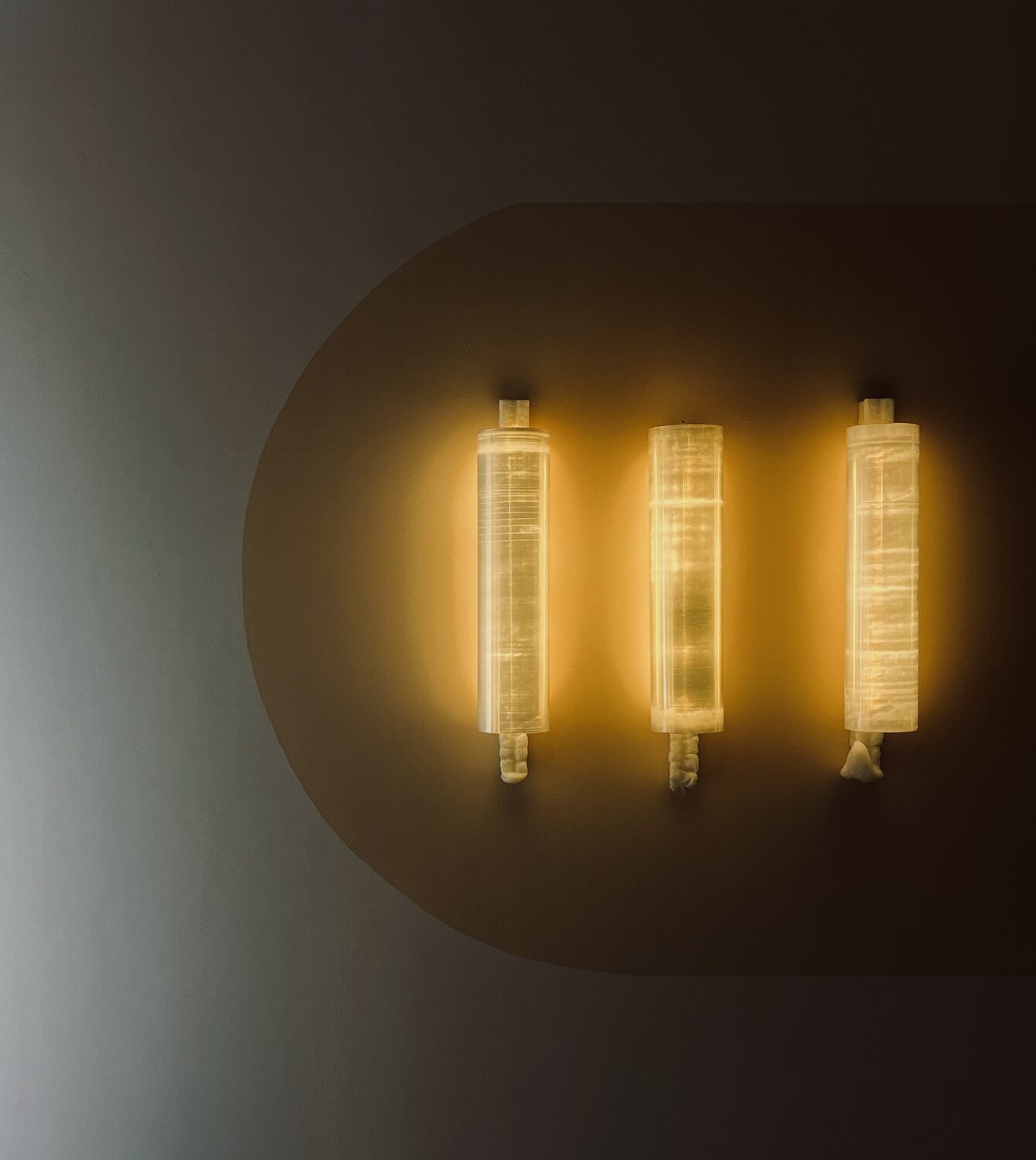
Lighting · Heat-worked plastic
Studio
Tunisia
Edition
ERG · Les Restes Anthropiques
Designer’s statement
Thomas Egoumenides (b. 1986) is a designer and visual artist whose practice operates between design, material research, and sculpture.
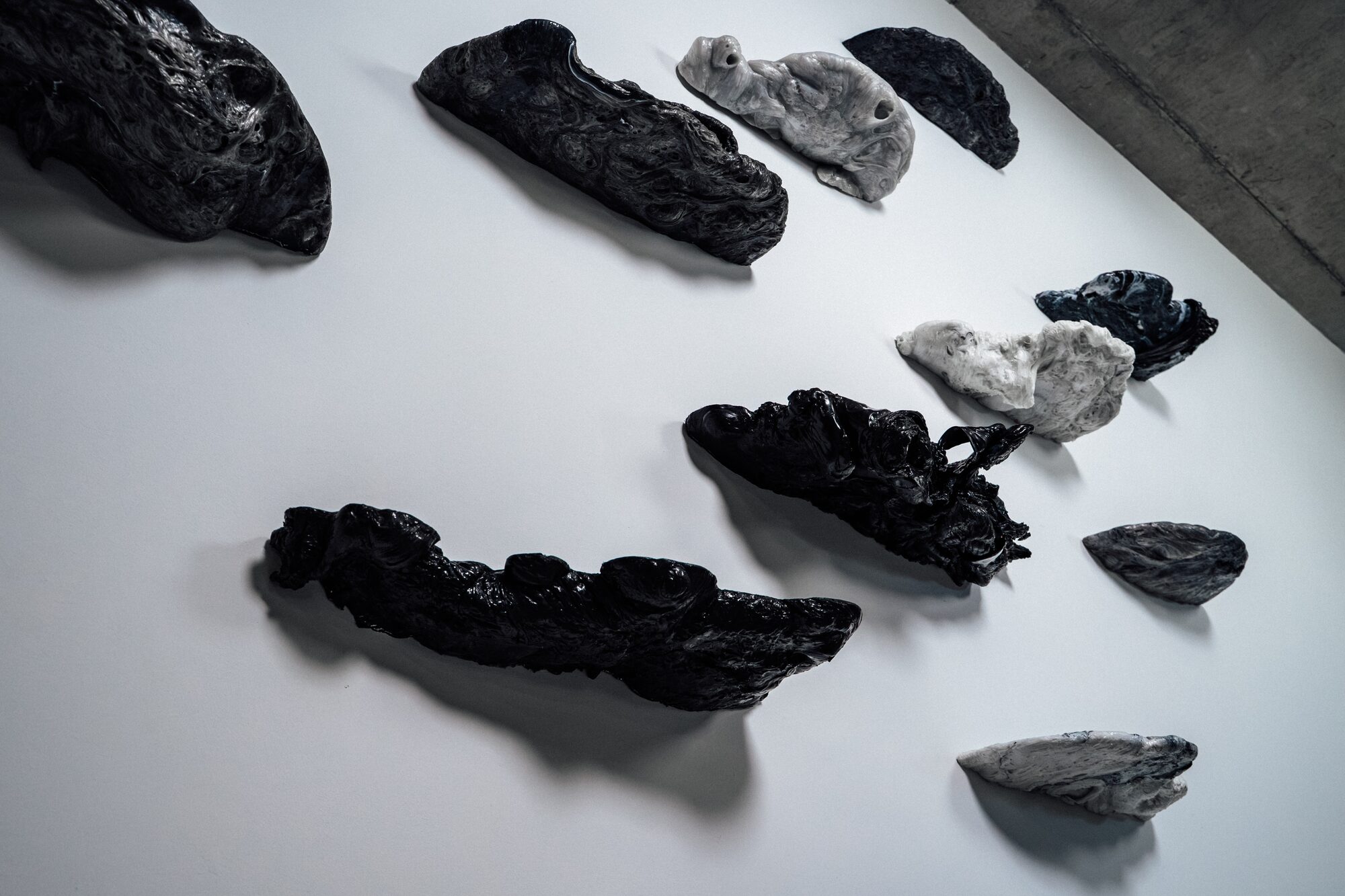
He approaches the industrial territory as a new geology, a vast landscape of technical sediments and raw resources waiting to be mapped, transformed, and shared, questioning production cycles and material permanence.
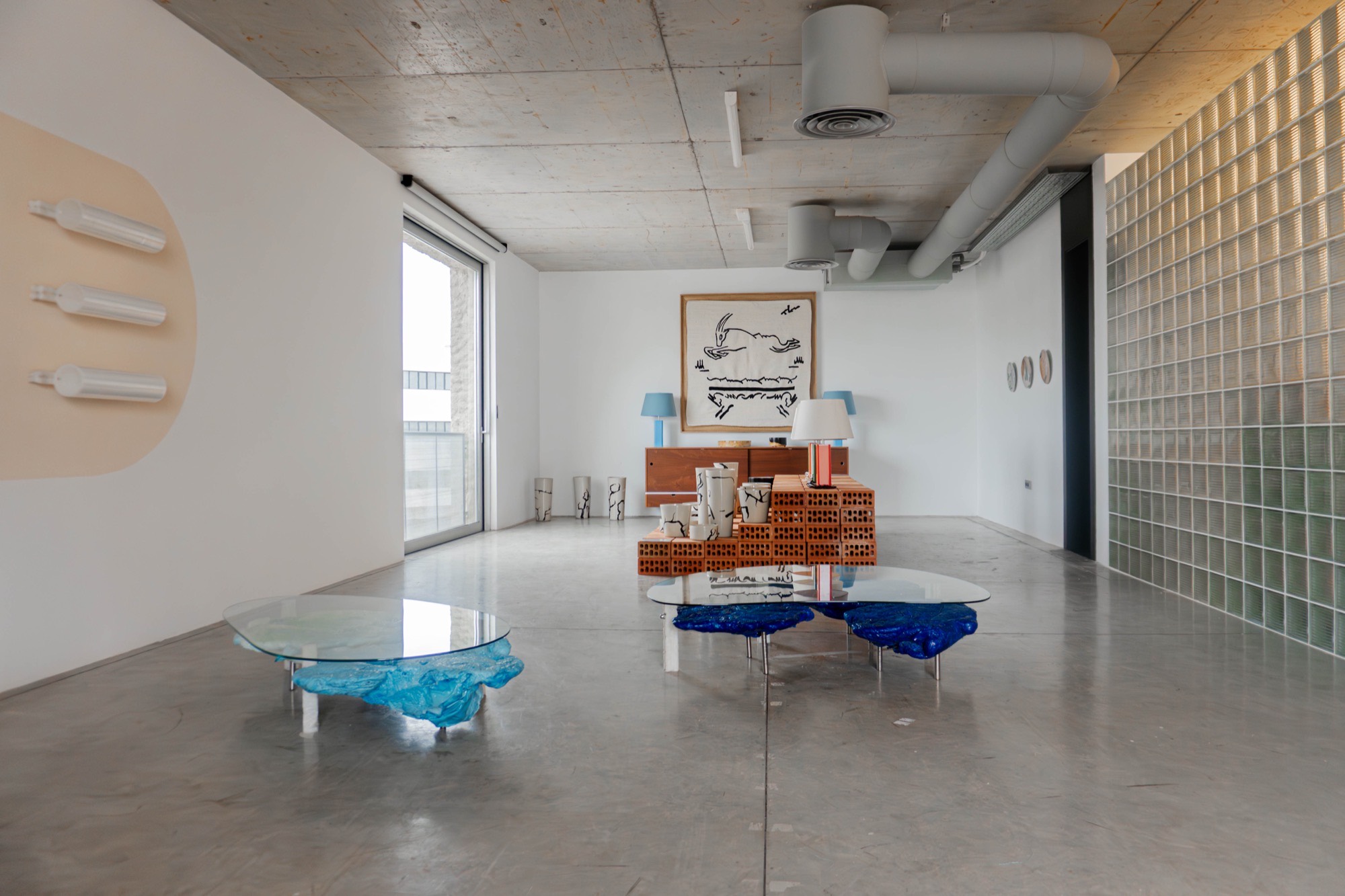
Extending this research into spatial contexts, Egoumenides develops exhibition scenographies, such as Photobook World at B7L9 Art Center (2025), as well as performance stage sets and experimental material workshops for cultural institutions.
He is the creator of RSCL, an experimental laboratory initiated during residencies with L'Art Rue and the Dream City Festival (2020–2023), and the co-founder of design studio Flaÿou (2016).
Nominated for the Institut du Monde Arabe's Design Prize in 2024 and a former resident at the MISK Art Institute in Riyadh, Egoumenides presented the installation The Ship of Theseus at the Sharjah Architecture Triennial (2023) and his first solo show, Meta Morphée, with Yosr Ben Ammar Gallery (2024).
Represented for his design practice by Bardo Collections since 2026, he is currently preparing his upcoming design exhibition, Les restes anthropiques (September 2026).
Collections
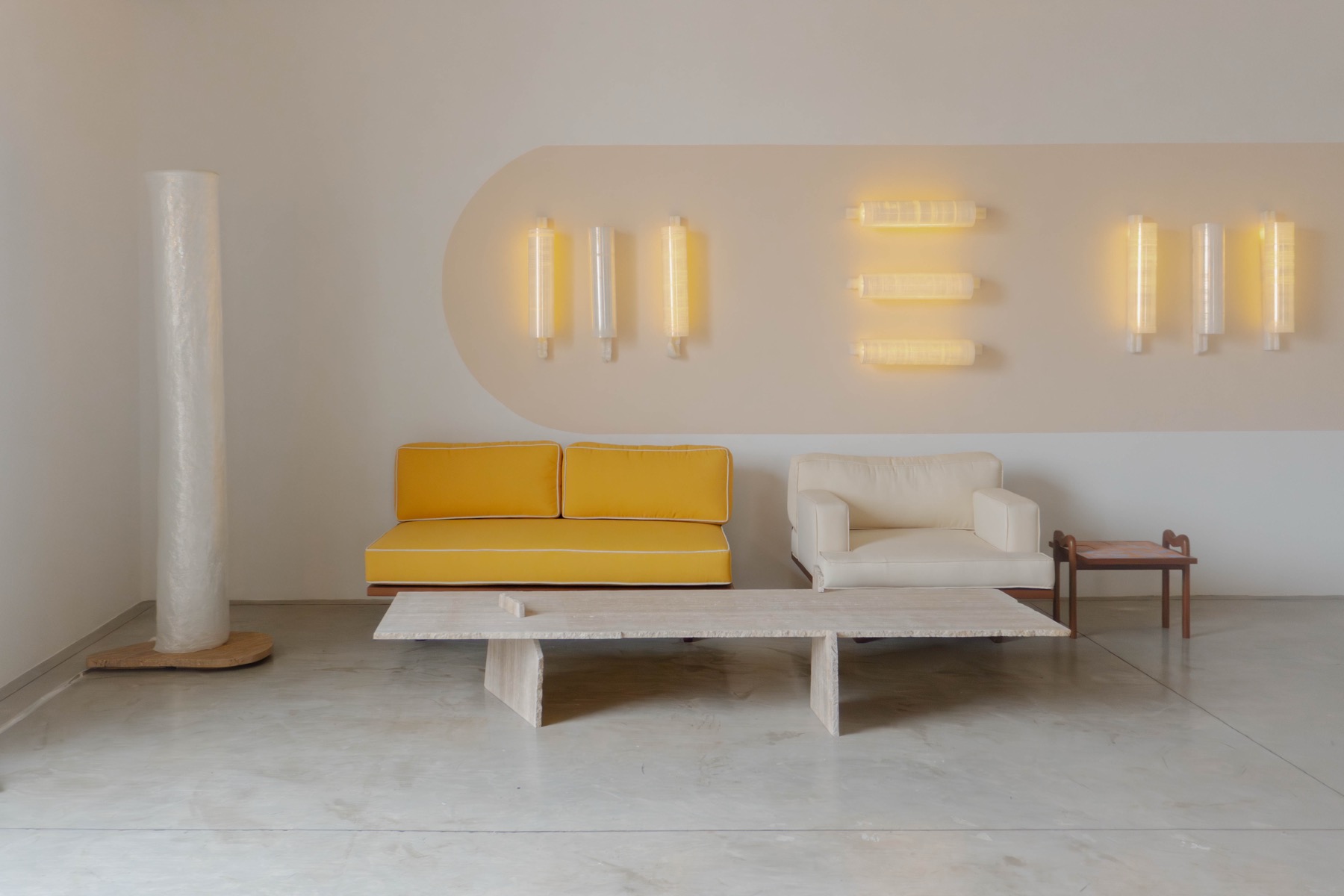
ERG
Erg is a meditation on vastness, solitude, and the suspended beauty of the desert. Drawn from the silence of endless dunes and the shifting poetry of sand, the collection evokes a landscape where time softens and boundaries dissolve. Here, the desert is a living expanse where light, texture, and stillness compose a language of their own. ERG speaks to those who find meaning in movement, in silence, in the raw honesty of nature untouched. Through material, form, and atmosphere, the collection becomes an invitation to rediscover a sense of wonder within the infinite.
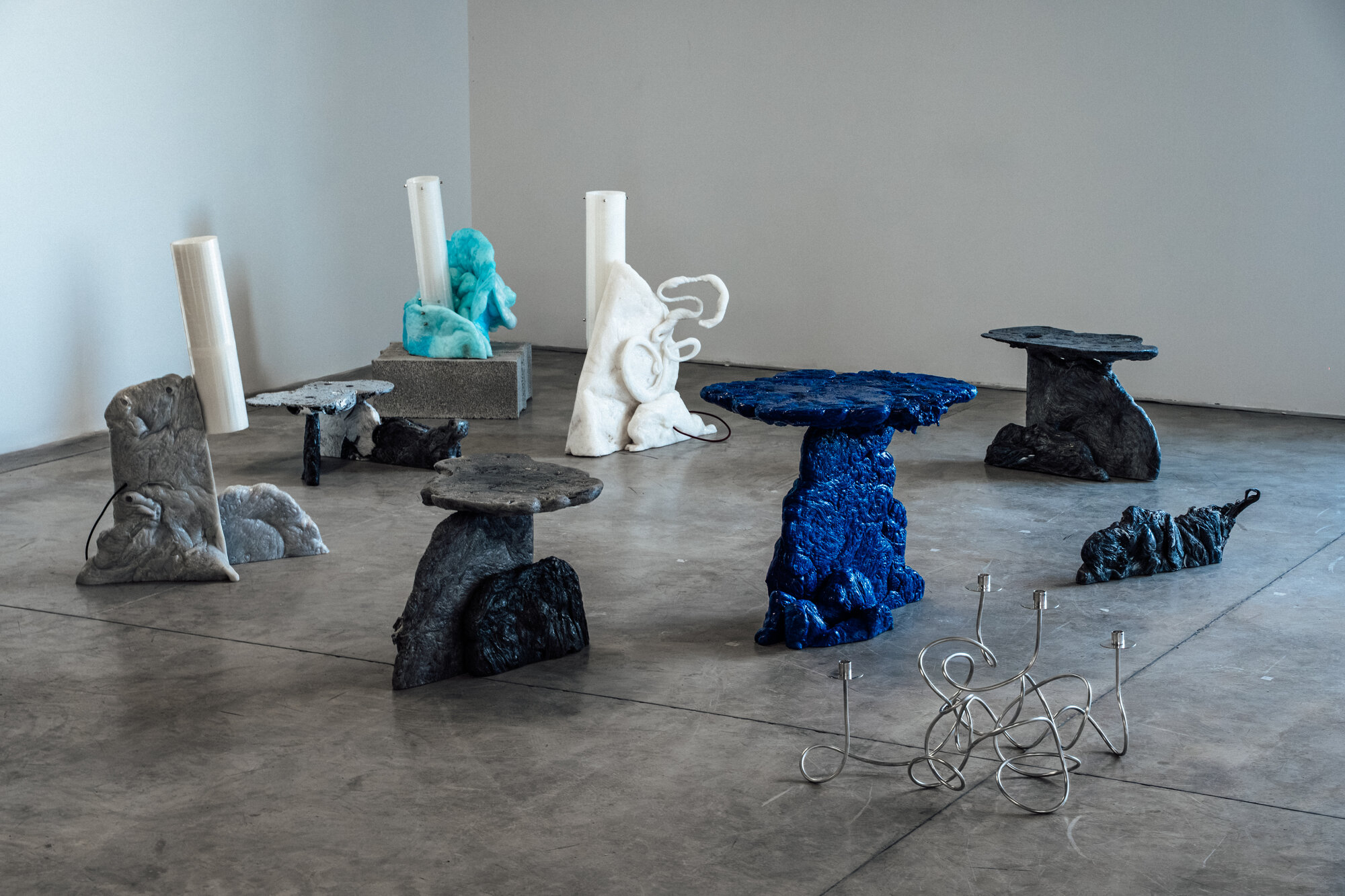
Les Restes Anthropiques
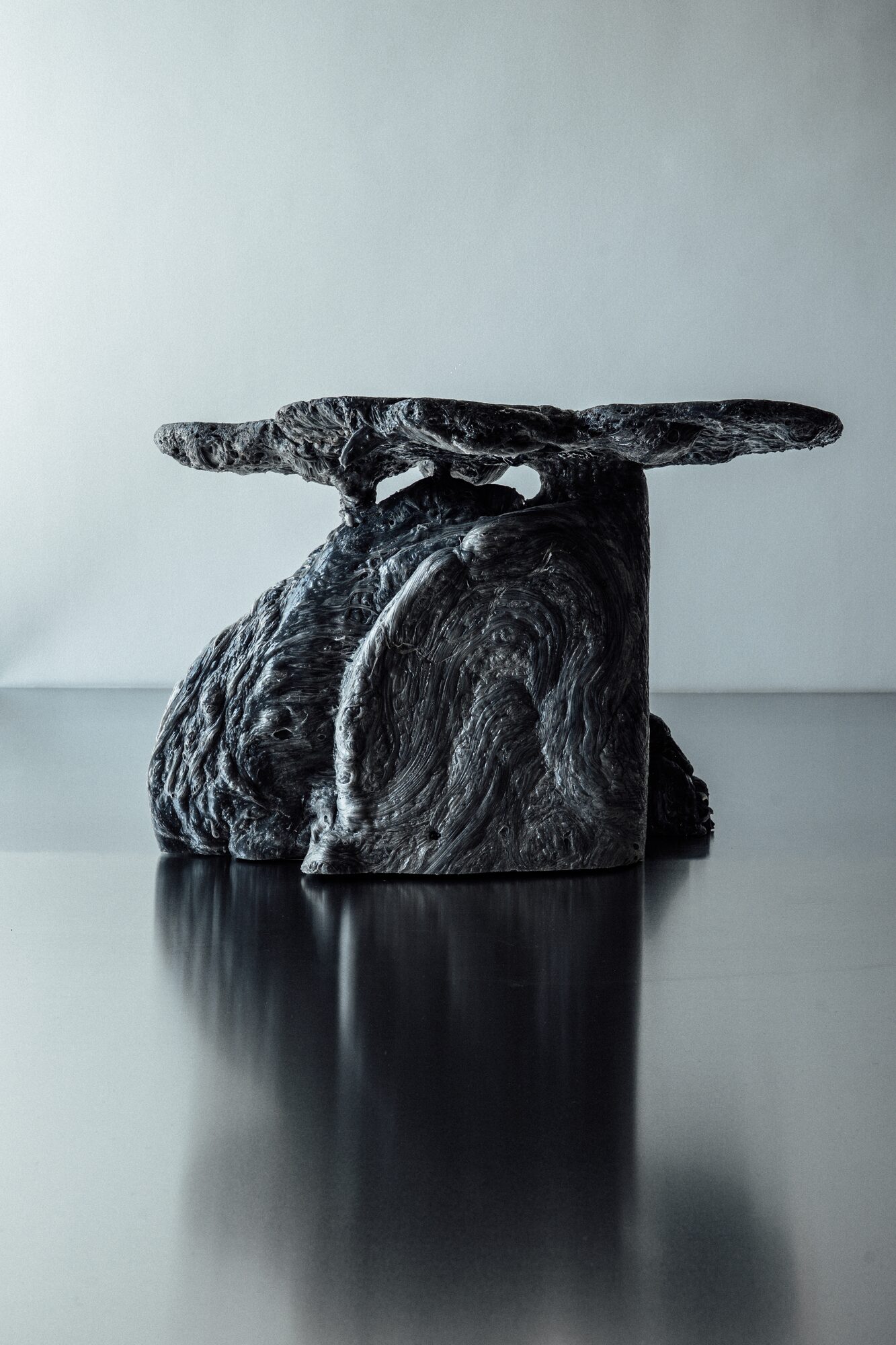
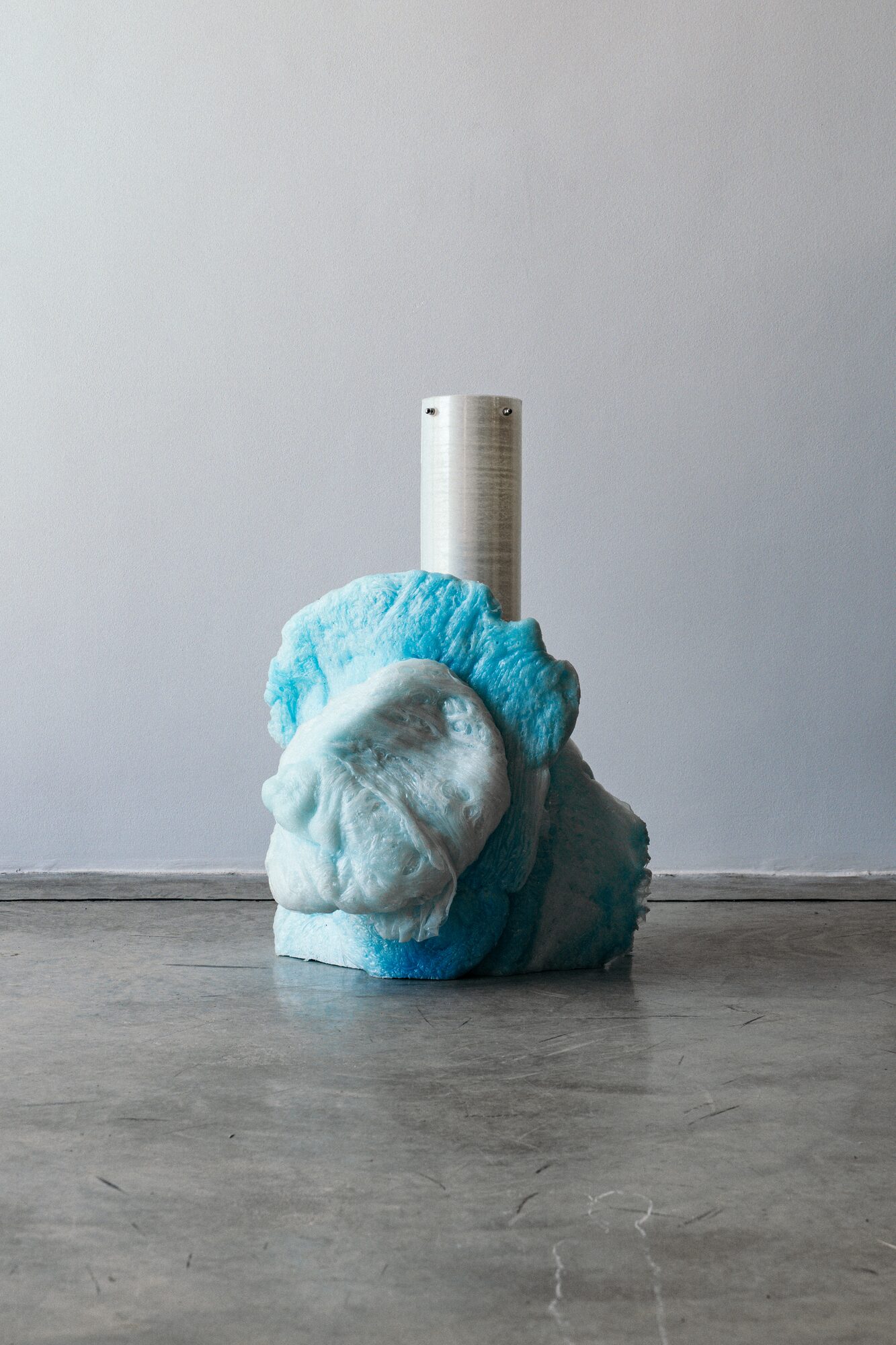
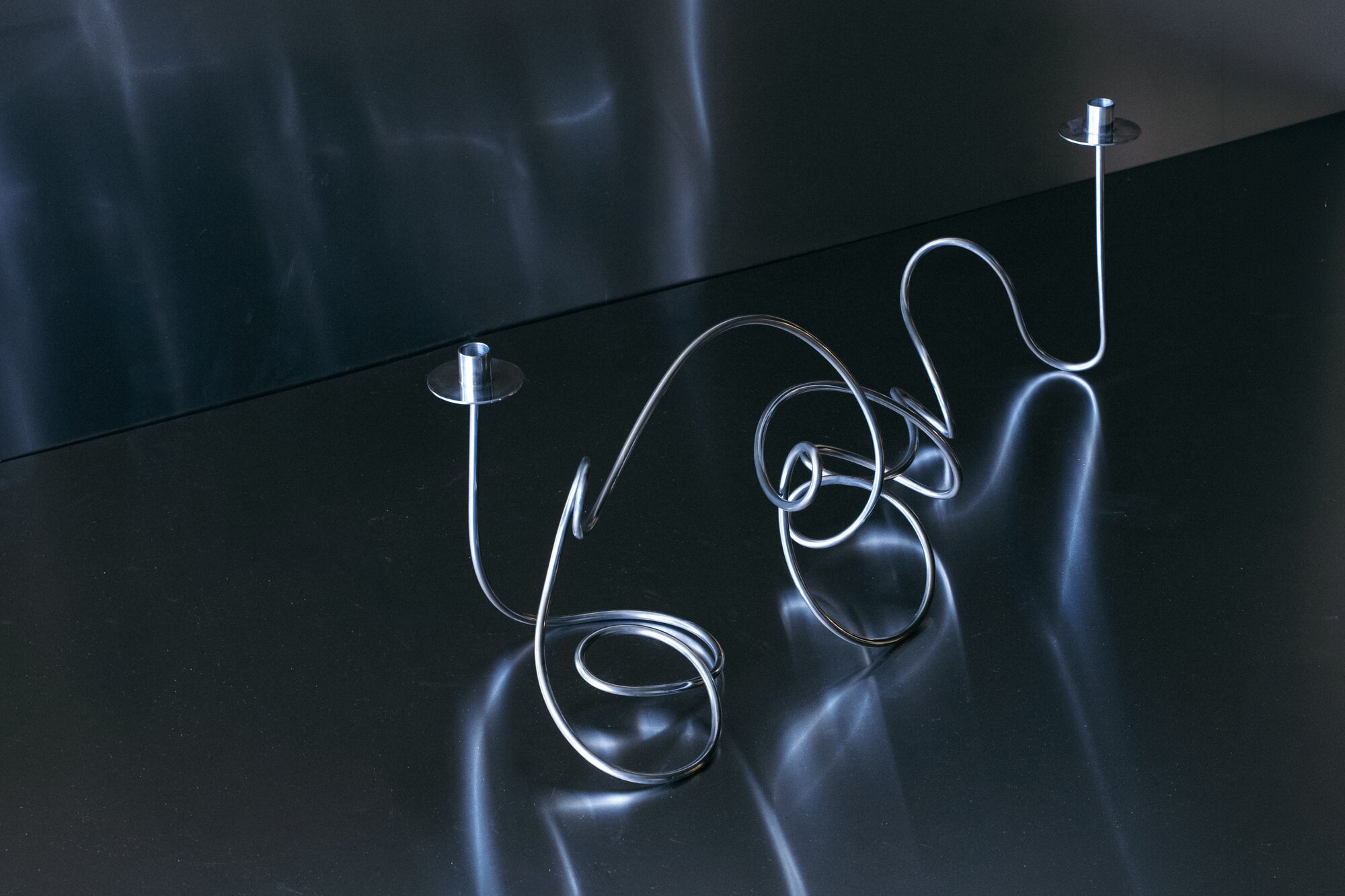
Legend has it that during the Age of the Great Extractions, humanity had learned to freeze the world. From the depths of vanished oceans, they extracted petroleum, the fossilized blood of marine microorganisms, compressed by the silence of millennia. They refined it into a sterile body, so transparent it seemed no longer bound to time: plastic. From the soil of tropical forests, they tore bauxite, the clay-like flesh of mountains. Through fire and electricity, they extracted a metal pure, cold, and incorruptible: aluminum. For centuries, these two elements reigned over the surface. They were used to bind, wrap, and seal everything. Yet, reduced to mere tools, their origins were forgotten. The former lost the memory of the seas; the latter, the memory of the rock. Condemned to utility, they became cold specters, accumulating in vast deposits at the edges of the earth. Then came the age of the great silence. The machines fell still, and cities collapsed under the weight of their own remains. The legend tells us that nothing truly vanished. The deposits remained fossilized at the end of their first cycle, waiting. Hands had to reach into these deposits, these anthropic remains, not to destroy them or cast them into oblivion, but to awaken what lay dormant within. The objects we observe today are neither tools nor ruins. They are transitional artifacts: the fossils of a reawakened memory, proving that even at the height of their coldness, the forms shaped by human hands had never truly forgotten the living.
Selected Works